

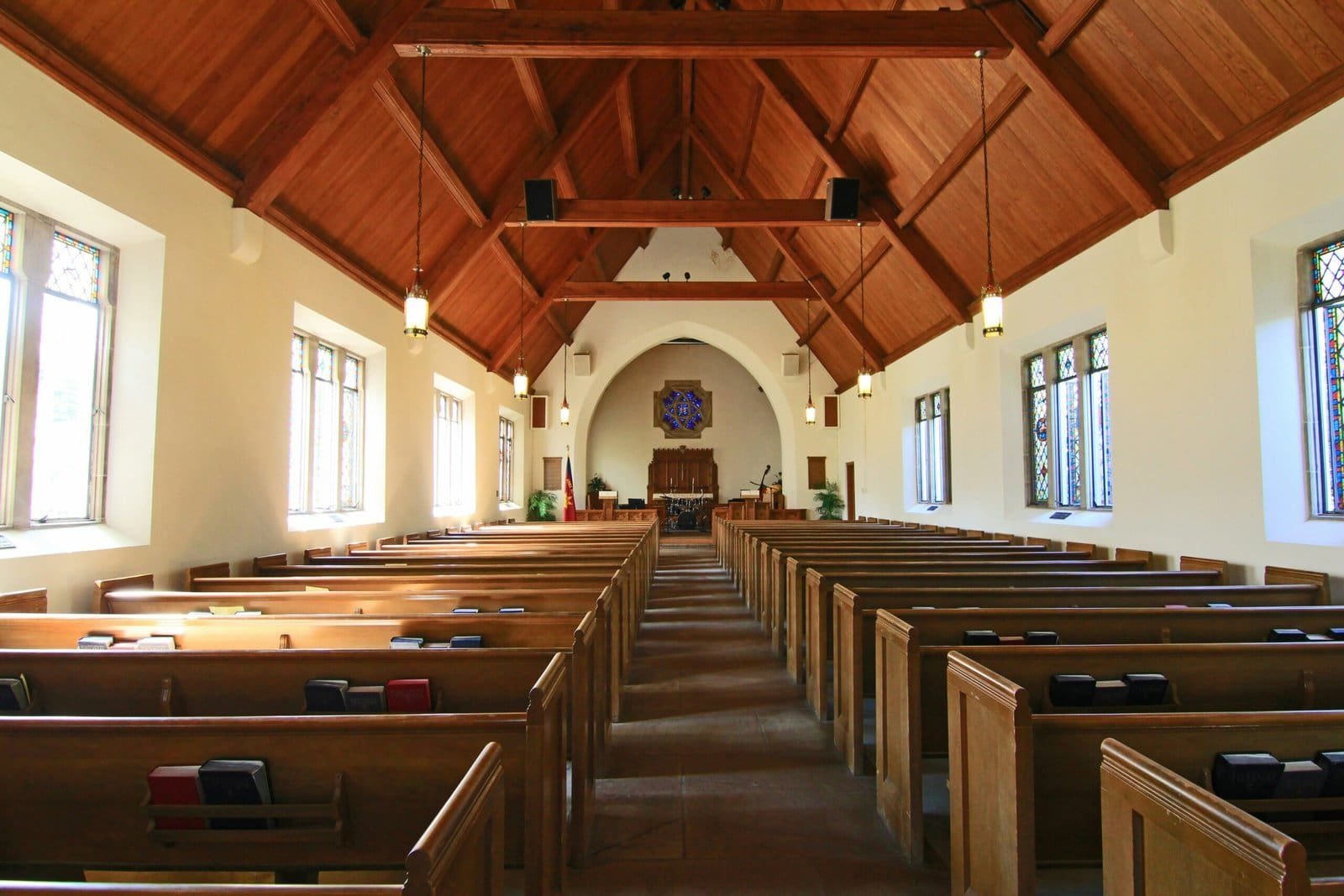
Introduction to the Church’s Role
The church has served as a pivotal institution throughout history, playing a significant part in shaping cultural, social, and spiritual landscapes across various societies. Its origins can be traced back to the first century AD, during which a series of gatherings of believers established foundational Christian teachings, ultimately leading to the organization of communities devoted to worship and mission. The emergence of the church marked a transition from individual spiritual practices to a collective expression of faith, providing a structured way for people to engage with their beliefs.
Historically, the church has maintained a multifaceted role within society, often acting as a beacon of hope and guidance for its congregants. This role can be observed in diverse contexts; for example, during periods of societal upheaval, the church frequently served as a stabilizing force, offering moral and ethical direction. Additionally, the function of the church extends beyond spiritual support, encompassing various social services aimed at addressing community needs. From providing education and healthcare to advocating for justice, the church often steps into gaps left by other institutions.
Moreover, the role of the church in community life cannot be understated. It fosters connections among individuals, promoting a sense of belonging and shared purpose. By facilitating gatherings and events, the church acts as a vital social hub, contributing to the overall well-being and cohesion of society. The biblical role of the church underscores its significance not only as a place for worship but also as a platform for serving others, engaging in compassionate outreach, and enacting social change. As we continue to explore what does the church do, it becomes apparent that its significance extends far beyond mere religious observance.
Spiritual Guidance and Worship
The role of the church extends beyond mere religious practices, serving as a vital institution in society that offers spiritual guidance and a dedicated space for worship. At its core, the purpose of the church is to foster an environment where individuals can engage in prayer, study sacred scriptures, and participate in communal gatherings that nurture faith and strengthen personal growth. Through this multifaceted approach, the church not only deepens the understanding of religious teachings but also supports congregants in their spiritual journeys.
In many communities, churches act as central hubs for spiritual guidance, where individuals can seek counsel and comfort during challenging times. The ministers or clergy often play a critical role in this context, offering support through sermon delivery, pastoral care, and educational programs that delve into the biblical role of the church. These teachings instill a sense of purpose and direction for members of the congregation, providing clarity on various life challenges and fostering a collaborative worship experience. Thus, the function of the church encompasses mentorship and leadership, encouraging congregants to reflect on their values and beliefs.
The church also serves as a sanctuary for communal worship, where individuals come together to participate in collective rituals and traditions that reinforce their shared beliefs. Activities such as singing hymns, partaking in sacraments, and engaging in community service projects highlight the role of the church in building connections among its members. As congregants unite in worship, they strengthen their collective identity and foster an atmosphere of support and encouragement, which ultimately contributes to the broader role of the church in community cohesion.
Overall, the spiritual guidance offered by churches not only enhances individual faith experiences but also plays a vital part in cultivating a compassionate society. By fulfilling the functions of worship and guidance, the church actively engages with society, encouraging personal and communal growth. In conclusion, the role of the church as a center for spiritual engagement is essential in shaping both individual lives and the broader community landscape.
Community Building and Support
The role of the church in community building is paramount, as it serves as a cornerstone for fostering relationships and providing essential support to individuals and families. One primary function of the church is to create an environment where fellowship events can flourish. These gatherings offer opportunities for congregants to connect with one another, fostering deep relationships and a sense of belonging. Activities such as potlucks, community picnics, or holiday celebrations play a significant part in nurturing these connections, reinforcing the notion that the church is not just a place of worship but also a hub of communal engagement.
In addition to fellowship events, support groups within the church serve a crucial function in addressing the emotional and spiritual needs of the congregation. These groups often focus on specific challenges such as grief, addiction, or parenting, allowing individuals to share their experiences in a safe and supportive environment. The biblical role of the church, in this context, includes not only providing spiritual guidance but also extending a hand to those in distress, thereby fulfilling its broader purpose within the community. This type of intimate support helps strengthen both individual and communal resilience.
Furthermore, outreach programs exemplify the church’s commitment to serving the broader society. These initiatives can include food drives, tutoring programs, and assistance for the homeless, reflecting the church’s aim to uplift marginalized populations. By engaging in these activities, the church exemplifies its role in society as an agent of change and compassion, actively addressing the needs of those around it. Thus, the function of the church transcends sacred spaces, impacting lives and reinforcing the significance of community ties. These efforts underline what does the church do beyond the walls of the sanctuary, striving to meet the spiritual and practical needs of its community.
Moral and Ethical Teaching
The role of the church in society extends significantly to the domain of moral and ethical teaching, which influences individual behaviors and collective societal values. Throughout history, religious institutions have served not only as places of worship but also as vital sources of moral guidance. The biblical role of the church highlights its responsibility to educate adherents on ethical standards and moral principles derived from scriptural teachings. Such education often addresses pressing contemporary issues ranging from social justice to environmental stewardship.
One crucial aspect of the church’s function is its ability to tackle ethical dilemmas faced by individuals and communities. By integrating biblical teachings with modern-day challenges, the church provides a framework for believers to navigate complex moral landscapes. In doing so, it empowers its community by promoting a sense of responsibility and ethical conduct aligned with a spiritual foundation. For instance, discussions surrounding issues such as poverty, inequality, and human rights are frequently prompted within church settings, fostering dialogue that equips members to advocate for justice and compassion in their everyday lives.
Social Justice and Advocacy
The role of the church in society extends beyond spiritual nourishment; it encompasses a critical commitment to social justice and advocacy. Throughout history, many churches have positioned themselves as champions for marginalized groups, serving as powerful agents of change in communities grappling with issues like poverty, racial inequality, and environmental degradation. This activism aligns with the biblical role of the church, which encourages believers to love their neighbors and seek justice for the oppressed.
One prominent example is the involvement of churches in poverty alleviation initiatives. Numerous congregations have instituted programs aimed at providing food, shelter, and resources to impoverished families. This outreach not only addresses immediate needs but also empowers individuals by connecting them with job training and educational opportunities. By doing so, the church fulfills its function as a community beacon of hope, illuminating pathways to sustainability and self-sufficiency.
Similarly, the role of the church in advocating for racial equality cannot be overstated. Many faith communities have taken active stances against systemic racism, organizing marches, educational workshops, and forums to address these pressing social issues. Churches serve as safe spaces for dialogues, urging congregants to reflect on their beliefs and actions, reinforcing the importance of mutual respect and understanding among diverse populations. This dedication to fostering inclusivity is vital in promoting a society where equity thrives.
Moreover, environmental stewardship is emerging as an essential dimension of the church’s purpose. Increasingly, churches are engaging in advocacy for sustainable practices, recognizing the theological imperative to care for God’s creation. Initiatives may include community clean-up days, tree planting events, and educational programs centered on climate change awareness. Through these efforts, the church illustrates its holistic approach to serving society, embodying the essence of biblical teaching that underscores the intrinsic value of all creation.
Education and Lifelong Learning
The role of the church extends into various facets of community life, one of which is education and lifelong learning. Churches have historically been pivotal in the realm of education, not only through the traditional metric of Sunday schools but also via Bible study groups and various community classes. This involvement plays a crucial part in fostering a culture of continuous learning among individuals of all ages.
Sunday schools serve as a foundational setting where individuals gather to explore biblical teachings. They promote not only religious education but also instill moral values and ethical principles essential for personal development. These gatherings encourage participants to engage in discussions that help them apply learned concepts in everyday life, enabling them to navigate social challenges with informed perspectives.
Moreover, Bible study groups nurture critical thinking skills and promote spiritual growth. Participants interpret scriptural texts collaboratively, which enhances their understanding while allowing them to share differing viewpoints. Such interactions cultivate a sense of community and belonging, reinforcing the responsibility of individuals towards each other and their society. Through these gatherings, congregants continuously acquire knowledge that supports the broader purpose of the church in advancing the moral and ethical fabric of the community.
Additionally, many churches take initiative in offering community classes that address practical life skills and social issues. These can range from financial literacy workshops to health and wellness seminars, demonstrating the church’s commitment to addressing modern-day challenges. By empowering citizens through education, the church reinforces its role in fostering informed individuals who contribute positively to societal growth. Overall, educational initiatives reflect the multifaceted function of the church, positioning it as a key player in creating enlightened and engaged communities.
Global Outreach and Missions
The role of the church extends significantly beyond its local confines, reaching into the realm of global outreach and missions. This aspect of the church’s function emphasizes not only the biblical mandate to spread the gospel but also the humanitarian responsibility to respond to the needs of communities worldwide. Many churches engage in international missions, fostering relationships with other cultures and contributing to transformative projects that span various countries and continents.
Through financial support, prayer, and active participation, local congregations often collaborate with international missions organizations. This partnership enhances their capacity to respond efficiently to global crises, such as natural disasters, poverty, and health emergencies. By mobilizing resources and volunteers, the church plays a crucial role in aiding those in dire circumstances, thereby embodying the essence of its purpose: to be a beacon of hope and love in society. Furthermore, the church’s engagement in global missions allows it to act as a bridge that fosters understanding and unity across cultural divides, serving as a testament to its universal commitment to the teachings of Christ.
Additionally, the role of the church in community development is often explored through its outreach initiatives. Churches can address local and global issues such as education, healthcare, and economic sustainability. The biblical role of the church can be illustrated by its efforts to equip grassroots movements that empower communities to thrive. By taking part in suchinitiatives, churches effectively fulfill their purpose, advocating for justice and support in both their neighborhoods and faraway places.
In essence, the function of the church in global outreach not only forwards the principles of faith but also highlights an enduring commitment to meaningful engagement in society, thereby reinforcing its identity as a global participant in the mission of service and compassion.
Influence on Culture and Arts
The role of the church in society has historically extended well beyond its spiritual boundaries, significantly shaping culture and the arts. As a major patron through the centuries, the church has been instrumental in inspiring, commissioning, and disseminating artistic expressions that reflect Christian teachings and values. This function of the church not only serves to enhance worship but also addresses broader societal themes, engaging individuals and communities in conversations about morality, beauty, and purpose.
Throughout history, the church has fostered the creation of various art forms, including music, literature, and visual arts. For instance, the development of Western classical music is deeply intertwined with religious contexts, where liturgical music served both an aesthetic and a spiritual function. The compositions of renowned composers such as Johann Sebastian Bach and George Frideric Handel exemplify how the church has influenced music to convey theological messages and inspire devotion.
Similarly, literature has thrived under the church’s influence, with many writers drawing upon biblical narratives and moral teachings. Works by authors like Dante Alighieri and John Milton not only reflect the religious ethos of their time but also serve to communicate complex theological ideas to a broader audience. The church’s role in promoting literacy and access to sacred texts further underscores its commitment to enlightening followers through written word.
In the visual arts, churches often commissioned works that adorned sanctuaries and public spaces, providing vivid representations of scriptural stories and Christian ideologies. Iconography, stained glass, and sculptures have played a pivotal role in educating worshippers and fostering a sense of community around shared beliefs. As such, the church remains a significant custodian of cultural heritage, continually influencing societal values and norms through its artistic endeavors.
In conclusion, the church’s multifaceted role in culture and the arts has not only enriched the spiritual lives of its adherents but has also contributed substantially to the tapestry of societal values and cultural expressions throughout history.
Conclusion and Future Outlook
In exploring the role of the church in society, it becomes evident that its purpose extends far beyond mere congregational gatherings. The church serves various functions: it is a spiritual refuge, a hub for community engagement, and a significant contributor to societal progress. The biblical role of the church emphasizes service, love, and advocacy for marginalized groups, highlighting its responsibility to address pressing social issues. As communities and societies evolve, so too must the church adapt to meet the changing needs of its members and the broader populace.
One of the significant challenges facing the church in modern times is the increasing secularization of society. As belief systems diversify, the church may find itself at a crossroads, requiring it to redefine its outreach strategies while remaining true to its foundational beliefs. The role of the church in community involvement becomes crucial in fostering dialogue and understanding among diverse groups. Emphasizing inclusivity and compassion can bridge the gap between differing perspectives and help the church remain relevant in a pluralistic environment.
Moreover, while societal demands evolve, the church also has unique opportunities to leverage technology and new media to reach a wider audience. By embracing these tools, the church can share its message and fulfill its mission effectively, enhancing its function as a source of support and guidance. Initiatives such as online services, virtual discussions, and digital outreach can help expand the role of the church in community and society, encouraging active participation and engagement.
In summary, as we look ahead, it is crucial for the church to remain vigilant and responsive to the dynamic landscape of society. The biblical role of the church as a beacon of hope and a force for good will continue to guide its evolution. Navigating future challenges while seizing opportunities will enable the church to maintain its vital function within the community and beyond.